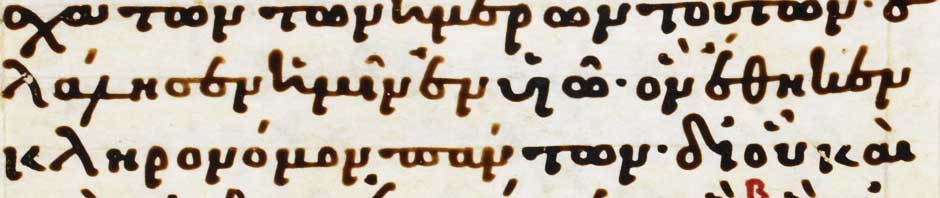
Καὶ ἀκούσαντες ἐθαύμασαν, καὶ ἀφέντες αὐτὸν ἀπῆλθον. (Matthew 22:22)
And when they heard, they marveled, and leaving him, they went away.
Reaction to an Unexpected Answer
This verse records the response of the Pharisees and Herodians after Jesus answered their question about paying taxes to Caesar (cf. Matthew 22:21). The Greek expresses astonishment and quiet retreat—a common theme in confrontations with Jesus’ wisdom.
Astonishment
ἀκούσαντες ἐθαύμασαν – “When they heard, they marveled.”
- ἀκούσαντες – aorist active participle of ἀκούω, “having heard.” The participle marks temporal sequence.
- ἐθαύμασαν – aorist active indicative of θαυμάζω, “to marvel, be amazed.” Often used in the Gospels to describe reactions to Jesus’ words or works. The aorist denotes a completed emotional response.
Withdrawal
ἀφέντες αὐτὸν ἀπῆλθον – “leaving him, they went away.”
- ἀφέντες – aorist active participle of ἀφίημι, “to leave, let go.” The participle indicates that the departure follows the decision to disengage.
- αὐτὸν – accusative of the pronoun αὐτός, referring to Jesus.
- ἀπῆλθον – aorist of ἀπέρχομαι, “they went away.” The verb has finality—this is a respectful yet retreating exit.
Summary Table
| Greek Phrase | Translation | Form | Function / Insight |
|---|---|---|---|
| ἀκούσαντες ἐθαύμασαν | having heard, they marveled | Aorist participle + aorist verb | Denotes response of awe or surprise |
| ἀφέντες αὐτὸν ἀπῆλθον | leaving him, they went away | Aorist participle + aorist verb | Indicates deliberate disengagement from confrontation |
Aorists and Retreat
The Greek structure of Matthew 22:22 reveals a sudden and quiet shift: marveling gives way to silent retreat. The aorists emphasize the abruptness and completeness of their response. Rather than engaging further, they withdraw—leaving truth standing in their midst.