-
Greek Lessons
-
Category
Tag Archives: 1 Corinthians 9:15
Paul’s Refusal of Rights: Subjunctive Purpose and Personal Integrity in 1 Corinthians 9:15
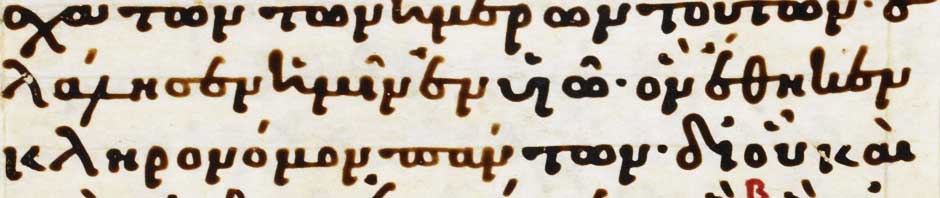
Ἐγὼ δὲ οὐδενὶ ἐχρησάμην τούτων. Οὐκ ἔγραψα δὲ ταῦτα ἵνα οὕτω γένηται ἐν ἐμοί· καλὸν γάρ μοι μᾶλλον ἀποθανεῖν ἤ τὸ καύχημά μου ἵνα τις κενώσῃ. (1 Corinthians 9:15)
This verse forms part of Paul’s broader argument in 1 Corinthians 9, where he defends the rights of apostles yet insists that he himself does not use those rights. The grammar is striking: negatives, subjunctive clauses, and rhetorical contrasts highlight Paul’s radical commitment to the gospel above personal benefit. To avoid thin treatment, we will explore this verse through multiple dimensions—syntax, verbal aspect, rhetorical style, and theological force.
Personal Renunciation: ἐγὼ δὲ οὐδενὶ ἐχρησάμην τούτωνPaul begins emphatically with the pronoun ἐγώ, underscoring his personal example.… Learn Koine Greek