-
Greek Lessons
-
Category
Tag Archives: Numbers 36:4
When Inheritance Walks: Subjunctive Syntax and Tribal Loss
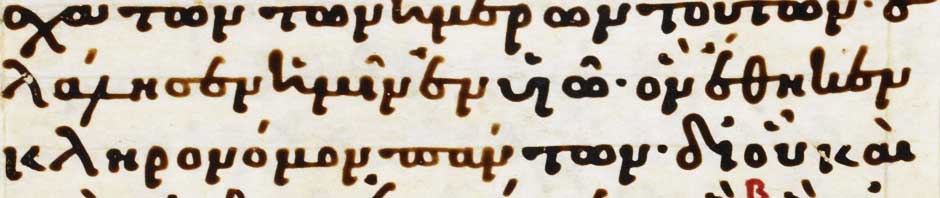
Ἐὰν δὲ γένηται ἡ ἄφεσις τῶν υἱῶν Ισραηλ καὶ προστεθήσεται ἡ κληρονομία αὐτῶν ἐπὶ τὴν κληρονομίαν τῆς φυλῆς οἷς ἂν γένωνται γυναῖκες καὶ ἀπὸ τῆς κληρονομίας φυλῆς πατριᾶς ἡμῶν ἀφαιρεθήσεται ἡ κληρονομία αὐτῶν (Numbers 36:4 LXX)
This verse from Numbers 36:4 LXX presents a layered legal contingency structured around conditionality, inheritance law, and the syntactic use of the Greek subjunctive. The grammar revolves around a protasis-apodosis condition introduced by ἐὰν δὲ γένηται, a classic first-class condition that speculates about a possible release or “remission” (ἄφεσις) within the tribal inheritance structure of the sons of Israel. The verb γένηται is aorist middle subjunctive, functioning as the pivot of a legal scenario—the hypothetical release of tribal holdings.… Learn Koine Greek
