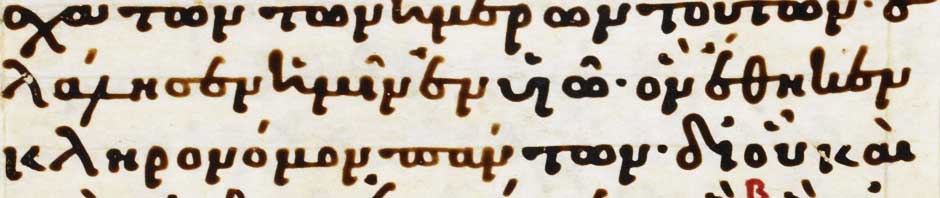
1 Peter 2:25
ἦτε γὰρ ὡς πρόβατα πλανώμενα· ἀλλ᾽ ἐπεστράφητε νῦν ἐπὶ τὸν ποιμένα καὶ ἐπίσκοπον τῶν ψυχῶν ὑμῶν
A Verse Built Around a Turning Point
This verse is structured around one powerful contrast.
The first half describes wandering. The second half describes returning.
wandering sheep → but now → returning to the shepherd
Greek often creates emotional impact through contrast words, and here the small word ἀλλ᾽ (“but”) changes the entire direction of the sentence.
Transliteration
ēte gar hōs probata planōmena; all’ epestraphēte nyn epi ton poimena kai episkopon tōn psychōn hymōn
Literal Translation
“For you were like wandering sheep, but now you have returned to the shepherd and overseer of your souls.”
Grammar Focus — Participles Describe Ongoing Condition
One important word in the verse is:
πλανώμενα
This participle means:
“wandering” or “going astray”
Greek participles often describe continuing condition or activity.
The verse does not merely say the sheep wandered once. The participle paints a picture of ongoing wandering.
Then comes the turning point:
ἐπεστράφητε
“you returned”
The verb describes decisive movement back toward someone.
Vocabulary Builder — Shepherd Imagery in Greek
| Greek Word | Pronunciation | Meaning | Beginner Insight |
|---|---|---|---|
| πρόβατα | probata | sheep | A familiar biblical image for people needing guidance. |
| ποιμένα | poimena | shepherd | A shepherd protects, leads, and gathers sheep. |
| ἐπίσκοπον | episkopon | overseer | A word connected with watching over and caring for others. |
| ψυχῶν | psychōn | souls/lives | Greek ψυχή can refer to life, self, or inner being. |
The Small Word νῦν
One tiny word changes the emotional tone of the verse:
νῦν
This word means:
“now”
Greek often uses νῦν to mark transition from former condition to present reality.
The sentence moves from:
- past wandering
- to present restoration
All of that change is highlighted by one small word.
How Greek Builds Contrast
The structure of the verse is carefully balanced:
ἦτε… πλανώμενα
“you were wandering”
ἀλλ᾽ ἐπεστράφητε νῦν
“but now you returned”
Greek uses:
- past versus present
- wandering versus returning
- lost sheep versus shepherd
The entire verse revolves around reversal and restoration.
Beginner Practice Activity
Match the Greek word with its meaning.
| Greek | Your Match |
|---|---|
| πρόβατα | A. shepherd |
| ποιμένα | B. sheep |
| ἐπίσκοπον | C. overseer |
Small Grammar Challenge: Which participle in the verse describes the sheep as continually wandering?
Following the Movement of the Sentence
This verse teaches beginners how Greek can communicate deep emotional movement through contrast and structure.
The participle paints ongoing wandering. The word ἀλλ᾽ suddenly changes direction. The small word νῦν announces a new reality. And the sentence ends not with wandering sheep, but with a shepherd watching over their souls.
As readers continue learning Greek, they begin noticing how even small connective words quietly shape the emotional flow of a passage.

