-
Greek Lessons
-
Category
Tag Archives: Acts 5:4
Why Have You Lied to God? Divine Ownership and Integrity in Acts 5:4
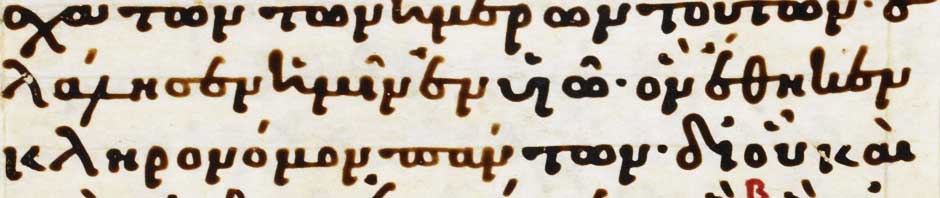
οὐχὶ μένον σοι ἔμενε καὶ πραθὲν ἐν τῇ σῇ ἐξουσίᾳ ὑπῆρχε; τί ὅτι ἔθου ἐν τῇ καρδίᾳ σου τὸ πρᾶγμα τοῦτο; οὐκ ἐψεύσω ἀνθρώποις, ἀλλὰ τῷ Θεῷ
In this solemn confrontation from Acts 5:4, Peter rebukes Ananias for his deception—not merely against people, but against God. The Greek phrasing draws attention to both the freedom Ananias had and the severity of his decision to misrepresent his gift. This verse emphasizes personal responsibility, divine sovereignty, and the weight of spiritual hypocrisy.
Grammatical Foundationsοὐχὶ μένον σοι ἔμενε—“While it remained, did it not remain yours?”
οὐχὶ—emphatic form of οὐ, introducing a rhetorical question expecting a “yes.”… Learn Koine Greek